







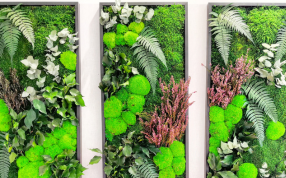
What if Blue Monday mainly revealed our need for visual comfort?
Published :
2026-01-18 16:19:06
Categories :
Trends
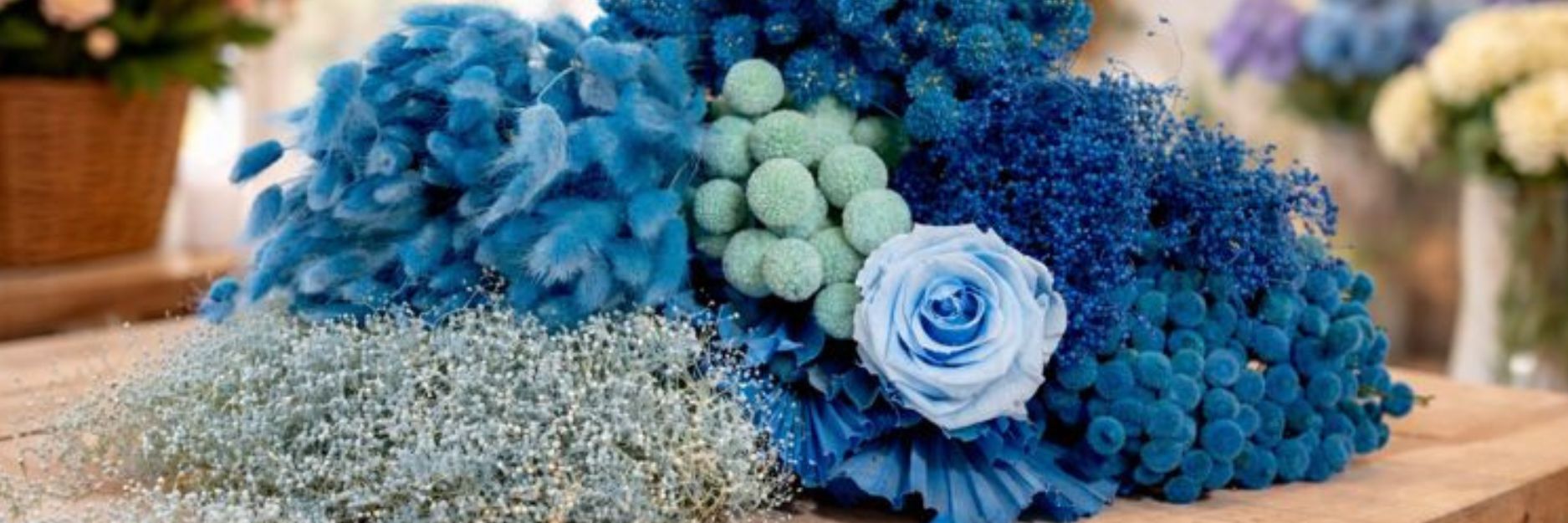 Every year, mid-January brings the same familiar refrain.
Blue Monday, the so-called “most depressing day of the year”, takes over the media, social networks and office conversations.
Winter fatigue, gloomy weather, New Year’s resolutions already forgotten… the recipe is well known. Yet behind this widely publicised – and often disputed – concept lies a far more interesting reality for professionals in design, decoration and customer experience: the need for emotional reassurance within our living spaces.
If morale falters, it is not simply a matter of the calendar.
It is a matter of environment.
Blue Monday: a revealing myth rather than a scientific truth
Let’s be clear: Blue Monday has no scientific basis. It stems from a marketing equation popularised in the early 2000s – symbolic rather than rigorous. But as is often the case in communication, myths sometimes say more than numbers.
If this day exists in the collective imagination, it is because it gives words to a widely shared feeling:
• a winter that feels never-ending,
• less natural light,
• lower energy levels,
• a subtle desire for comfort and reassurance.
This is precisely where the topic becomes relevant for brands and professionals in plant-based decoration.
Visual environments: an underestimated emotional lever
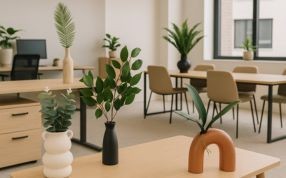
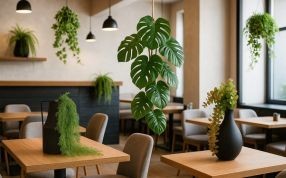
We spend more than 80% of our time indoors. Offices, hotels, restaurants, retail spaces, reception areas and event venues all influence our mood, focus and perception of a brand — often subconsciously.
Colours, materials, volumes, light and textures: spaces speak before words do. Research in environmental design and neuroscience shows that a calming, structured environment can reduce perceived stress and foster a more positive experience.
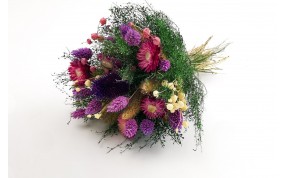
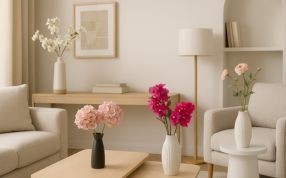
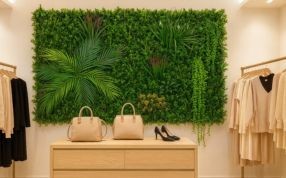
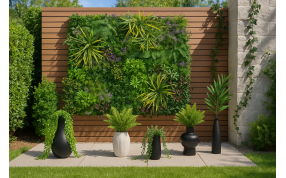
In winter, when nature becomes less visible outdoors, plant elements help restore balance indoors.
Blue Monday may pass, but the need for visual comfort remains. More than a trend, plant-based decoration has become a genuine emotional language — serving spaces and the people who experience them.
Partager cet article

-
 COMMITMENT PRICE QUALITY
-
 EXPERTS AT YOUR SERVICE
-
 RESERVED FOR PROFESSIONALS
-
.png) QUICK DELIVERY
QUICK DELIVERY
-
 SECURED PAYMENTS